
24 January 2024
The Science of Comfort: How the Right Cushion Can Improve Your Well-being
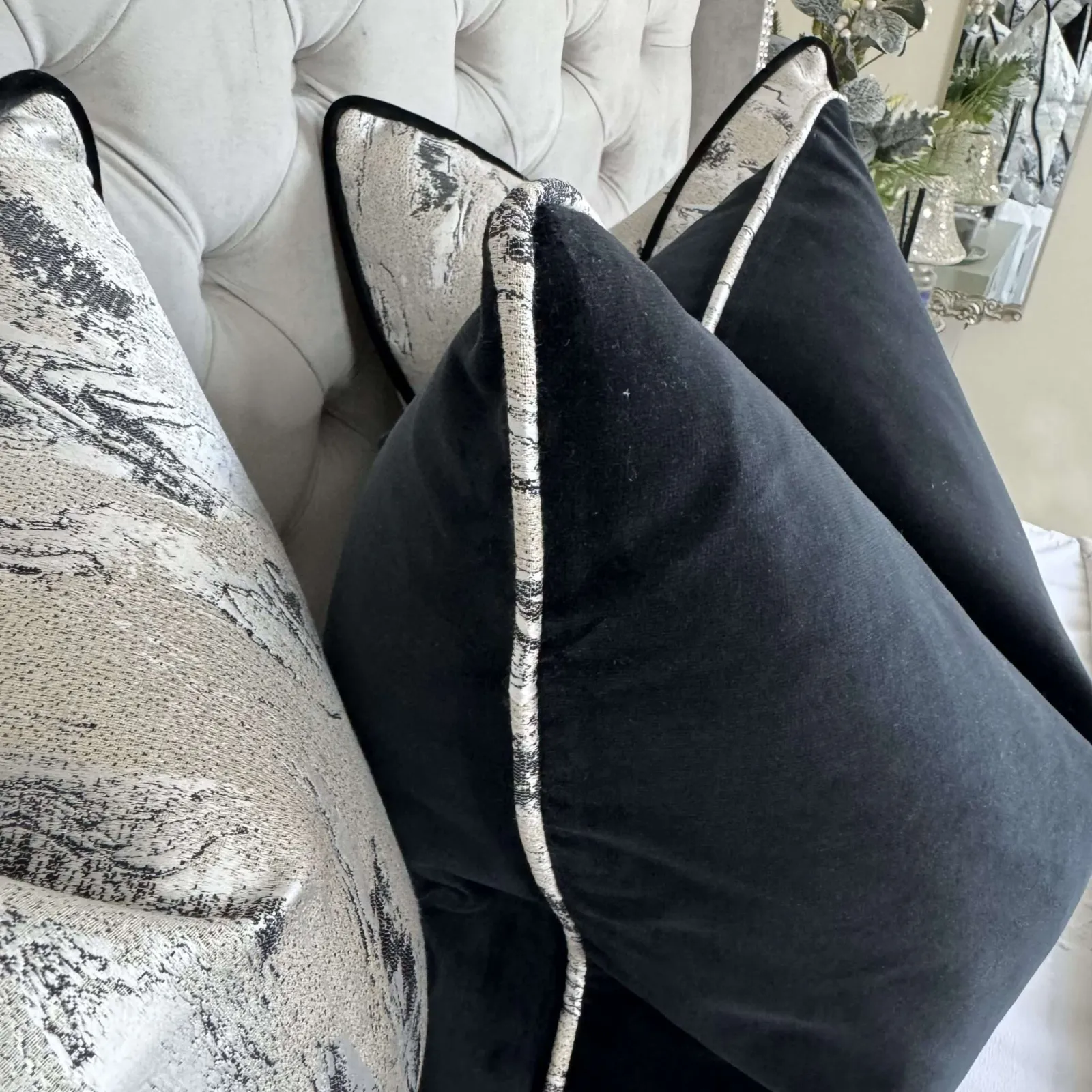
In the quest for comfort and health within our homes and workplaces, the role of the humble cushion is often underrated. However, emerging research in ergonomics—the science of designing products to fit the human body—shows that the right cushion can significantly impact our well-being, particularly in reducing back pain and enhancing relaxation.
Understanding Ergonomics in Cushion Design
Ergonomics in cushion design focuses on creating products that support the natural curvature of the spine. A study published in the Applied Ergonomics Journal highlighted that cushions with appropriate lumbar support could reduce the strain on the back by up to 50%. This is crucial because the Human Factors and Ergonomics Society reports that about 70% of people will experience lower back pain at some point in their lives.
Statistics on Back Pain and Cushion Support
Back pain is a pervasive issue, often linked to poor posture and inadequate support. The American Chiropractic Association notes that back pain is the single leading cause of disability worldwide, with half of all Americans admitting to having back pain symptoms each year. The economic impact is equally staggering, with Americans spending at least $50 billion each year on back pain.
The Impact of Proper Cushioning
Proper cushioning plays a vital role in preventing and alleviating back pain. A study by the Ergonomics International Journal found that using ergonomically designed seat cushions significantly reduced the risk of back pain among users. These cushions typically feature memory foam or similar materials that mold to the body's contours, providing targeted support to the lower back, pelvis, and hips.
Cushions and Relaxation
Beyond back pain relief, the right cushion can also enhance relaxation. According to a study in the Journal of Physical Therapy Science, the use of well-designed cushions can reduce physical fatigue by distributing weight evenly and reducing pressure points. This is especially beneficial for individuals who spend prolonged periods sitting, such as office workers or those with mobility issues.
The Psychological Aspect of Comfort
Interestingly, comfort is not just physical. A study from the University of Salford found that visual and tactile perceptions of a cushion's softness could influence relaxation and stress levels. This suggests that the texture and appearance of cushions, alongside their ergonomic benefits, are essential for creating a comforting environment.
Conclusion
In conclusion, the right cushion is more than just a soft place to land. It's a tool of wellness, backed by science, to improve posture, reduce back pain, and enhance overall relaxation and comfort. As we continue to spend more time seated, investing in a scientifically designed cushion is not just a luxury but a necessity for our health and well-being.